Ocoee River Fishing: Species, Seasons, and Access
The Ocoee River runs through some of the most scenic terrain in southeast Tennessee, and it holds more fish than most visitors realize. Rainbow trout swim in the cold, fast-moving upper sections, while smallmouth bass and panfish thrive in the warmer water below the dams. Fishing here takes a bit of planning. TVA dam releases, commercial rafting schedules, and seasonal stocking all affect when and where you can wet a line. This guide covers the best fishing spots along the Ocoee corridor, the species you’ll find in each section, and the licenses and regulations you’ll want to know before you go.Best Places to Fish on the Ocoee River
 The Ocoee River in southeastern Tennessee offers different fishing experiences depending on which section you visit. The Upper Ocoee runs fast and cold, making it pxrime trout water. The Lower Ocoee and Parksville Lake warm up considerably, creating habitat for bass, catfish, and panfish. Each section has its own character, and knowing the differences helps you pick the right spot.
| Section | Best Species | Best Conditions | Access Notes |
| Upper Ocoee | Rainbow trout, brown trout, brook trout | Spring and fall, during non-release periods | Limited to low-flow windows when TVA isn’t releasing water |
| Lower Ocoee | Smallmouth bass, spotted bass, bluegill, sunfish | Late spring through early fall | Multiple access points near Sugarloaf Mountain Park |
| Parksville Lake | Largemouth bass, catfish, crappie, bream | Year-round, best in early morning | Boat ramps and shoreline access available |
Upper Ocoee River
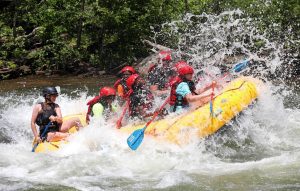
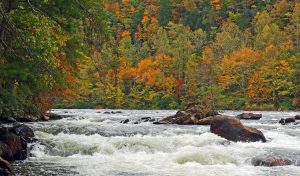
The Upper Ocoee cuts through the Cherokee National Forest, and the water stays remarkably clear and cool even during summer. The Tennessee Wildlife Resources Agency (TWRA) stocks rainbow trout here on a regular schedule, so the fishing can be quite good if you time it right. Brown trout and brook trout also swim in the headwaters, though they’re less common. Here’s the thing about the Upper Ocoee: it doubles as a commercial whitewater rafting corridor. When the Tennessee Valley Authority (TVA) releases water from the upstream dams, the river transforms into Class III and IV rapids. During releases, wading becomes dangerous and fishing becomes nearly impossible. But when the water drops during non-release windows, you’ll find excellent trout water that most anglers never see.Lower Ocoee River
Below Ocoee Dam #1, the river changes character entirely. The water warms up, slows down, and creates the kind of pools and eddies where bass like to hang out. Smallmouth bass and spotted bass hold near rocky structure, waiting to ambush prey. Bluegill and sunfish fill in the calmer pockets. Access points along Highway 64 and near Sugarloaf Mountain Park make the Lower Ocoee fairly easy to reach. Rafting traffic is lighter here than on the upper sections, though you’ll still want to pay attention to commercial activity during peak season.Parksville Lake
Parksville Lake sits at the base of the Ocoee system and offers the most accessible fishing in the corridor. The lake covers roughly 1,900 acres and holds healthy populations of largemouth bass, catfish, crappie, and bream. You can fish from the bank or launch a boat from one of the public ramps. Early mornings and late evenings tend to produce the best action, especially for bass cruising the shallows. The lake stays fishable year-round, which makes it a reliable backup when river conditions aren’t cooperating.Fish Species Found in the Ocoee River
The Ocoee corridor supports both coldwater and warmwater species, and what you’ll catch depends largely on where you fish.- Trout: Rainbow trout are the most common in the Upper Ocoee thanks to TWRA stocking. Brown trout and brook trout also inhabit the cooler headwaters. Light spinning gear or fly rods work well, and small spinners, spoons, and nymphs tend to produce.
- Bass: Smallmouth bass prefer the rocky, moving water of the Lower Ocoee, while largemouth bass favor the calmer lake environment. Soft plastics, crankbaits, and topwater lures draw strikes around submerged structure.
- Panfish and catfish: Bluegill, sunfish, and bream are plentiful in the warmer sections. Live bait like worms or crickets works well. Channel catfish inhabit Parksville Lake and the deeper pools of the lower river.
Best Time to Fish the Ocoee River
Timing matters quite a bit on the Ocoee, and it varies by species. Trout fishing peaks in spring (March through May) and fall (September through November) when cooler water temperatures keep fish active. Summer trout fishing is possible, but you’ll want to fish early morning hours before the water warms. Bass fishing picks up as water temperatures rise in late spring and stays productive through early fall. The pre-spawn and spawn periods, roughly April through June, often produce the largest fish as bass move into shallower water to reproduce. Across all species, early mornings and late evenings consistently outperform midday. Fish feed more actively during low-light conditions, and you’ll also avoid the heat and the crowds. One more thing worth knowing: the TWRA stocks trout in the Upper Ocoee on a regular schedule. Fishing shortly after a stocking event increases your chances considerably, especially if you’re new to the area. You can check stocking schedules on the TWRA website.Fishing Conditions and Dam Release Schedules
The TVA controls water flow on the Ocoee through a series of dams, and the release schedule directly affects fishing conditions. When the dams release water for whitewater rafting operations, the river rises quickly. Wading becomes unsafe, and fish become difficult to locate. During non-release periods, the Upper and Middle Ocoee drop to wadeable levels. Trout hold in predictable pools and runs, and sight fishing becomes possible in the clear water. The contrast between release and non-release conditions is dramatic. You can check the TVA’s release schedule online or by phone before heading out. Planning around the release schedule is probably the single most important factor for successful Ocoee River fishing. During releases:- Water levels rise rapidly, sometimes by several feet
- Current speeds become dangerous for wading
- Fish scatter and become harder to catch
- Bank fishing remains possible in some areas, though less productive
- Wade fishing becomes safe and productive
- Trout hold in predictable locations
- Clear water allows sight fishing
- Fewer anglers compete for the same water
Ocoee River Fishing License and Regulations
Tennessee law requires a valid fishing license for anyone 13 years or older fishing the Ocoee River or Parksville Lake. If you’re targeting trout in the Upper Ocoee, you’ll also want a trout stamp in addition to your standard license. Both are available online through the TWRA website or at local sporting goods stores. If you fish the headwaters across the Georgia border, where the river is called the Toccoa River, you’ll want a Georgia fishing license for that section. The state line runs through the upper reaches, so knowing your location matters.- Creel limits apply to all species. Check current TWRA guidelines before keeping fish.
- Live black bass cannot be transported away from Parksville Lake.
- Trout stamp is required for any trout fishing in Tennessee.
- Size limits vary by species and location.