Where Is the Ocoee River? Location, Nearby Towns, and River History
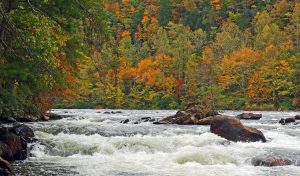
The Ocoee River cuts through the Cherokee National Forest in southeastern Tennessee, carving a scenic gorge just north of the Georgia state line. It’s one of the most popular whitewater destinations in the country, drawing hundreds of thousands of visitors each year to its Class III and IV rapids.
This guide covers exactly where to find the river, which towns sit nearby, how far you’ll drive from major cities, and the history that shaped the Ocoee into the rafting destination it is today.
Where Is the Ocoee River Located? 
The Ocoee River flows through the Cherokee National Forest in southeastern Tennessee, just north of the Georgia state line. It travels through a scenic canyon called the Ocoee Gorge, running from Copperhill to Benton, TN, before joining the Hiwassee River. The river corridor sits at the edge of the Blue Ridge Mountains, which puts it within a few hours of most major southeastern cities.
Here’s something that surprises a lot of first-time visitors: the Ocoee is actually part of a longer river with two different names. For 56 miles through northern Georgia, it’s called the Toccoa River. Once it crosses into Tennessee near the twin towns of McCaysville, Georgia, and Copperhill, Tennessee, the name changes to Ocoee.
The stretch most people come to see runs roughly 20 miles through Polk County. This section includes Ocoee River State Park, home to the whitewater sites that put the river on the map.
Ocoee River Quick Facts
| Detail | Information |
| State | Southeastern Tennessee |
| Name in Georgia | Toccoa River |
| Total length | 93 miles |
| Tennessee section | 37 miles |
| Flows into | Hiwassee River near Benton, TN |
| Rafting season | Late March through October |
| Rapids | Class III and IV |
Towns Near the Ocoee River
A handful of small towns line the Ocoee River Corridor, and knowing which ones to look for makes finding your way around easier. Copperhill sits right at the Tennessee-Georgia border, marking the spot where the river changes names. The town of Ocoee is closer to most rafting outfitters and river access points.
Benton, TN, lies downstream near where the Ocoee meets the Hiwassee. If you’re driving in from Chattanooga or Cleveland, Benton is a useful landmark. Ducktown, just a few miles from Copperhill, has additional places to stay and eat if you’re spending the night.
- Copperhill, TN: border town where the Toccoa becomes the Ocoee
- Ocoee, TN: central to most outfitters and river put-ins
- Benton, TN: downstream town near the Hiwassee confluence
- Ducktown, TN: close to Copperhill with lodging and restaurants
- McCaysville, GA: twin town to Copperhill, just across the state line
How Far Is the Ocoee River from Major Cities?
The Ocoee’s location makes it easy to reach from several large cities across the Southeast. You don’t have to block off a whole week for a trip. A day visit works well from most of the region.
| City | Approximate Drive Time |
| Chattanooga, TN | 1 hour |
| Knoxville, TN | 1.5 hours |
| Atlanta, GA | 2 hours |
| Asheville, NC | 2.5 hours |
| Nashville, TN | 3 hours |
| Birmingham, AL | 3 hours |
From Chattanooga, you’ll head east on US-64 through the Cherokee National Forest. The drive winds through forested ridges before dropping into the gorge. Atlanta visitors typically take I-75 north to US-64, while folks from Knoxville come south through Cleveland.
Brief History of the Ocoee River
Long before European settlers arrived, the Cherokee people lived along this river and used it for food, water, and travel. The name “Ocoee” comes from the Cherokee word “Uwagohi,” which refers to the wild apricot or passion flower that bloomed throughout the gorge. We even named our outpost restaurant, The Apricot Place Cafe, after the Cherokee name for the Ocoee River Gorge. Cherokee influences still show up in local place names and throughout the region’s cultural heritage.
The Ocoee as an Energy Source
It wasn’t until the early 1900s that the Ocoee River was recognized as a power source for the surrounding area. Shortly after, the East Tennessee Power Company built the first major dam on the river, creating what’s now called Lake Ocoee. This first dam stood at 135 feet and created space for almost 2,000 acres of reservoir water.
Two years later in 1913, East Tennessee Power Company built a second dam. While this one wasn’t quite as tall, it still stretched over 400 feet across the river. Both dams continue to divert water for power generation today, and the Tennessee Valley Authority acquired them in 1939.
How the Flume Changed the River
Between the two dams, engineers built a wooden flume, which is basically a long, elevated channel that carried water to a powerhouse downstream. For decades, this flume diverted so much water that the riverbed below ran nearly dry. The rocky channel sat exposed, and the rapids that would later make the Ocoee famous didn’t really exist yet.
That changed in 1976 when the aging flume needed repairs. While crews worked on the structure, water flowed back into the natural riverbed. Kayakers and rafters quickly discovered incredible whitewater that had been hidden for years. The response was so strong that when repairs finished, the U.S. Forest Service negotiated scheduled water releases specifically for recreation.
The 1996 Olympic Whitewater Venue
The Ocoee’s reputation grew steadily through the 1980s and early 1990s. Then came the 1996 Atlanta Summer Olympics, which selected the Upper Ocoee as the venue for canoe and kayak slalom events. Construction crews built a new section of rapids specifically for Olympic competition, including features named Godzilla and Humongous.
The Olympic course remains open to the public today. Rafting the Upper Ocoee lets you run the same rapids where athletes competed for gold medals.
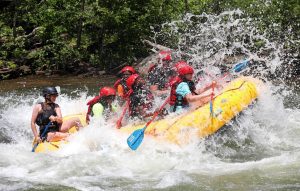
Whitewater Rafting on the Ocoee River 

The Ocoee draws visitors from across the country, and the combination of reliable water releases, continuous rapids, and mountain scenery keeps people coming back year after year.
Middle Ocoee River Section
The Middle Ocoee offers five miles of continuous Class III and IV rapids. This section works well for first-time rafters and experienced paddlers alike. You’ll encounter more than 20 named rapids, including Broken Nose, Double Suck, and Tablesaw.
Most half-day trips run the Middle section. The rapids come quickly with short pools between them, so you’re actively paddling for most of the run. At Quest Expeditions, our guides have been running this stretch for over 40 years.
Upper Ocoee River Section
The Upper Ocoee, the Olympic section, adds another five miles of Class III and IV whitewater. This stretch includes the purpose-built Olympic course with its signature rapids. Humongous, the largest rapid on the river, narrows the channel and delivers a memorable drop.
Full-day trips typically combine both sections, giving you 10 miles of whitewater and a riverside lunch between runs. If you want to experience everything the Ocoee has to offer, our Full Day Ocoee River Whitewater Rafting Trip covers both the Middle and Upper sections.
Understanding the Ocoee River Release Schedule
Unlike free-flowing rivers, the Ocoee depends on scheduled water releases from the upstream dams. The Tennessee Valley Authority coordinates releases with outfitters and the U.S. Forest Service to keep flows consistent during rafting season.
Releases typically run from late March through October, though exact dates vary by year. The Middle Ocoee generally has more release days than the Upper section. Checking the release schedule before booking helps you plan around available dates.
- Consistent water levels: releases keep rapids running at optimal levels for rafting
- No releases, no rafting: if there’s no scheduled release, that section won’t run
- Weekend availability: weekends and holidays typically have releases on both sections
Planning Your Ocoee River Trip
Getting to the Ocoee is straightforward, and a little planning makes the day go smoothly. Most outfitters, including Quest Expeditions, are located along US-64 in the heart of the river corridor.
Wear clothes you don’t mind getting wet. Synthetic materials dry faster than cotton. River shoes or old sneakers work better than flip-flops, which tend to come off in rapids. Outfitters provide all the essential gear: rafts, paddles, helmets, and life jackets.
If you’re bringing a group, whether it’s a church group, corporate team, or family reunion, the Ocoee handles large parties well. Quest Expeditions has supported group trips for decades, with options for riverside lunches and flexible scheduling.
Frequently Asked Questions
Is the Ocoee River in Tennessee or Georgia?
The river runs through both states but goes by different names. In Georgia, it’s called the Toccoa River. Once it crosses into Tennessee near Copperhill, it becomes the Ocoee. All the major whitewater rafting takes place on the Tennessee section.
Can you swim in the Ocoee River?
Swimming isn’t recommended in most sections. The current runs strong, the water stays cold, and underwater rocks create hazards that aren’t visible from the surface. You’ll get plenty wet while rafting, but designated swimming areas are limited.
What is the best time of year to raft the Ocoee?
Rafting season runs from late March through October, with peak season falling between May and September. Water releases are most frequent during summer months. Spring and fall bring smaller crowds and cooler temperatures, though release schedules may be more limited.
How long does an Ocoee rafting trip take?
A half-day trip on the Middle Ocoee typically takes three to four hours, including check-in, shuttle time, and the river run itself. Full-day trips that include both the Middle and Upper sections run six to seven hours, with a riverside lunch break between runs.
Experience the Ocoee with Quest Expeditions
The Ocoee River sits in one of the most scenic corners of the Southeast, with a history that spans Cherokee heritage, hydroelectric development, and Olympic competition. Whether you’re planning a quick day trip from Chattanooga or a weekend adventure from Atlanta, the river delivers an experience worth remembering.
Quest Expeditions has guided rafters down the Ocoee for over 40 years. Our guides know this river well, and we provide quality gear along with the kind of personal service that makes first-timers feel confident and keeps experienced rafters coming back.
Book your adventure and see why the Ocoee remains one of the most celebrated whitewater rivers in the country.